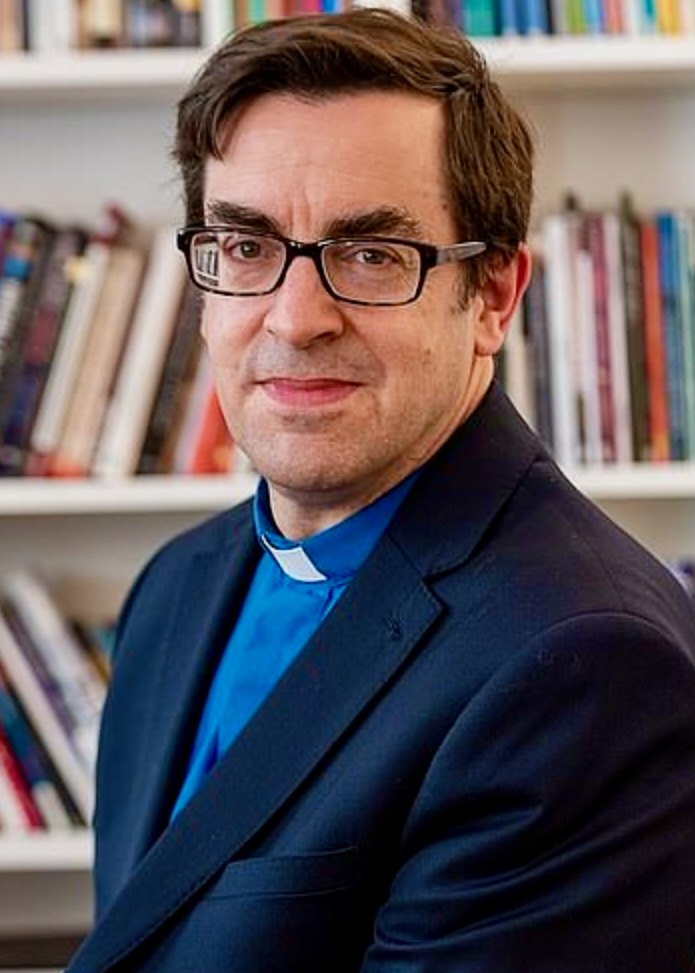
r Bernard Randall’s seven-year ordeal is one of the most extraordinary and disturbing cases I and the team at the Christian Legal Centre have ever had the privilege of being involved in.
Here was a Church of England chaplain, preaching in a Church of England chapel, in a school with a Church of England ethos, giving a sermon rooted in Church of England doctrine.
He encouraged pupils to think, to debate, and to love their neighbours. He did not bully. He did not harass. He did not incite hatred. He did what a Christian minister is called to do.
For that, he was treated as dangerous.
He was forced out of his job, reported to Prevent for “religious extremism”, referred to safeguarding authorities, dragged through years of litigation, and blacklisted by the Church from the ministry he loved. Had he preached in a Church of England place of worship during those years, he could have faced prosecution.
This is not merely the story of one man being wronged, grave though that is. Bernard Randall’s case exposes something far deeper: the rot that has taken hold in our institutions.
Our schools, our judiciary, and even the Church of England have bowed the knee to an extreme gender identity ideology which is not merely contested, but profoundly anti-Christian in its assumptions about what a human being is.
In doing so, they have not only compromised, but torn apart, the very Christian beliefs that shaped these institutions and made them and Great Britain, truly Great.
The tragedy is that Bernard said nothing radical. His sermon, Competing ideologies, was pastoral, careful and Anglican. It came after Trent College had invited in Educate and Celebrate, an organisation whose stated aim was to “smash heteronormativity” and embed Queer Theory throughout school life. Staff were encouraged to chant slogans. Children, including those in nursery, were drawn into a programme that promoted a highly contested vision of identity and human nature.
When a pupil asked why this was being taught in a Christian school, Bernard answered as a Christian chaplain should. He told pupils they were free to think critically. He said they should treat everyone with dignity. He explained that Christians believe human beings are made male and female in the image of God.
That should have been unremarkable. Instead, it was treated as a safeguarding concern.
Read it all at The Critic