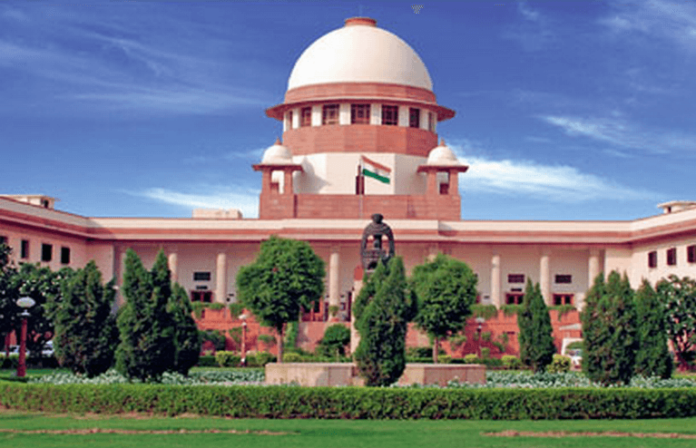
India’s Supreme Court has restored criminal proceedings in a case involving the alleged unauthorized sale of Church of South India Trust Association land in Andhra Pradesh, reopening a dispute that raises sharp questions about trust property, consent, and accountability in church administration.
The case centers on 7.75 acres of church land in Ananthapuramu, where church records reportedly authorized the sale of only 1 acre and a bungalow, but the final deed allegedly conveyed the entire property. According to the report, the court also took note of allegations that the land was sold for far below its apparent value and that required approvals were not properly obtained.
The Supreme Court’s ruling does not decide the merits of the allegations, but it does make clear that the matter should not have been dismissed at the threshold. In effect, the court found that the evidence and witness statements were serious enough to deserve a full trial, rather than an early exit from the criminal process.
The decision lands in the middle of a broader and long-running pattern of church property disputes in India, where questions of title, trusteeship, and authority to sell land have repeatedly surfaced. In a 2020 Bengaluru case, enforcement authorities froze more than $8 million in assets tied to a separate Church of South India Trust Association land dispute after the Ministry of Defence challenged the church’s claim to the property.
Those disputes point to a recurring problem for churches with inherited or long-held land: the gap between ecclesiastical stewardship and civil-law documentation. When records are incomplete, authority is unclear, or procedures are bypassed, church property can quickly become the subject of litigation, state action, and public scandal.
For Anglicans, the case is a cautionary tale about the need for clear governance over assets held in trust for the church’s mission. Property is not only a legal resource; it is often bound up with the credibility of church leadership, the protection of congregational interests, and the wider witness of the church.
A separate 2025 Supreme Court ruling in a church land matter in Mumbai also showed that Indian courts continue to scrutinize property disputes involving religious bodies closely, sometimes affirming the rights of landholders to proceed with redevelopment or defend title against state or third-party claims.
The CSI case now returns to the lower courts, where the allegations will be tested in full. For church leaders across India and beyond, the message is plain: where land, trust, and authority intersect, transparency is not optional.