f you live in the United Kingdom and feel the desire to quite literally dance upon Christianity’s grave, then you have plenty of options. Thanks to falling congregations, over the last decade upward of 3,500 former churches have undergone a complete transformation in purpose—becoming homes, mosques, libraries, swimming pools, and even nightclubs.
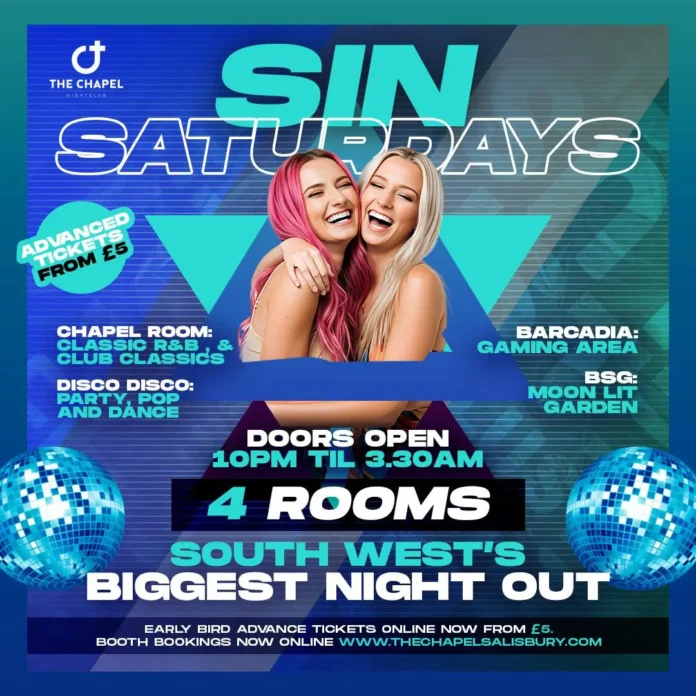
Club owners are not shy about advertising the fact that their venues used to be holy spaces; they frequently give them names like Halo, Sanctum, Mass, St. Peter’s Tavern, or The Priory as an active advertising gimmick. Probably the leading example is The Chapel nightclub in Salisbury, proud possessor of several separate dance floors bearing names like The Vestry and The Soul Room. The club also actively glories in the inversion of the building’s former purpose by offering its clientele access to regular events called “Sin Saturdays.” At least the proprietors refrained from holding “Sin Sundays,” I suppose.
Some may shrug and say these buildings are now formally deconsecrated, so their owners can do whatever they like with such otherwise empty shells. But some churches being used to burst out phat beats to clubbers’ ears are still supposed to be in continued use as active places of Christian worship—including the nation’s most famous church of all, St. Paul’s Cathedral in London.
Danse Macabre
One of London’s chief landmarks, the 17th-century structure’s crypt functions as the burial place of important historical personages like the Duke of Wellington and Admiral Lord Nelson. As such, holding nightclub musical events there would seem like a literal case of dancing on graves—and so it was feared when the cathedral announced this month it would be establishing a four-year in-house partnership with prominent London nightclub (or prominent London nocturnal drug-taking and queer venue, if you prefer) Fabric.
Contacted for comment, Peregrine Hood, President of the Nelson Society and descendant of the great man’s family, bemoaned:
Read it all at Crisis Magazine