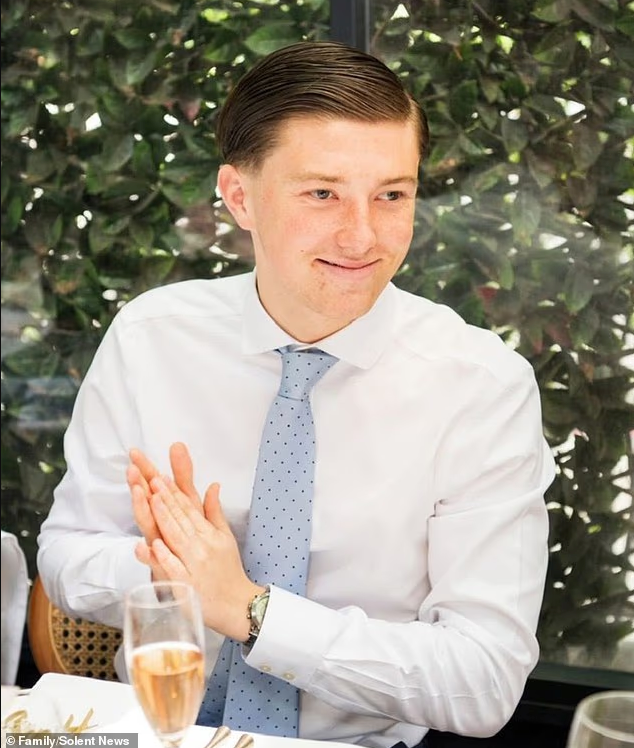
The Bishop of Southampton has called for prayer, restraint, and compassion following the murder of Henry Nowak, but the Church of England’s national leadership has so far offered no visible public statement on a case that has shaken Southampton, raised serious questions over policing, and exposed deep anxieties over race, religion, and public order.
The Rt Rev Rhiannon King, Bishop of Southampton, said Henry Nowak’s death was “a tragedy,” adding that the city was “grieving for him and for his family, and praying for them in their devastating loss”. Her statement, issued through the Diocese of Winchester, urged the public to heed the Nowak family’s plea that Henry’s death “make change for the better” and not be used “to create division or hatred”.
Mr Nowak, 18, a University of Southampton student, was murdered in December 2025 while walking back to his accommodation after a night out. Vickrum Digwa, 23, was convicted of murder on 28 May and sentenced on 1 June to life imprisonment with a minimum term of 21 years.
The case became a national scandal after police bodycam footage showed Mr Nowak telling officers he had been stabbed and could not breathe, while officers initially accepted Digwa’s false claim that he had been racially abused and attacked. Police handcuffed Mr Nowak, told him he was under arrest, and read him his rights before an ambulance was summoned and CPR began.
The Independent Office for Police Conduct says its investigation remains ongoing and includes “the use of handcuffs by officers and the first aid provided” by Hampshire and Isle of Wight officers. IOPC Director Derrick Campbell said the case had “raised questions about the actions of the attending officers” and that investigators are reviewing body-worn video, trial material, and other evidence.
The Home Secretary, Shabana Mahmood, told the House of Commons that Mr Nowak’s family deserved answers about “what happened on that awful night and the actions of the police officers who arrived on the scene”. She said the government would ensure the IOPC had the “resources, authority and independence” to conduct a “full, fearless and transparent investigation”.
Judge William Mousley KC rejected Digwa’s claims of racism and said his actions had “stirred up racial tensions in Southampton and across the nation, causing many Sikhs to feel unsafe”. The judge said Digwa had brought “shame” on his family and his faith and had taken the life of a “much-loved” young man, leaving his family with a “lifetime of grief”.
It is here that Bishop King’s statement is at its strongest and weakest. She is right to echo the family’s request that the killing not be exploited to foment hatred. She is right to call for prayer. She is right to say Southampton needs conversations marked by “calm, openness, compassion and understanding”. But the statement is also cautious to the point of abstraction. It names grief and division, but says little directly about justice, police failure, the moral horror of a dying young man being treated as a suspect, or the public obligation to tell the truth without fear.
That caution is all the more striking because the government has spoken more plainly than the bishops. Mrs Mahmood told MPs that “Digwa murdered Henry and then lied about him, as he lay dying, falsely accusing him of racism,” and called the murder “an evil act”. She also warned that “we cannot allow this murder to turn communities against one another” and said the case was “not a case about Sikhism” or racism, but murder.
At the local level, clergy have been more visible. The Rev Sera Rumble of St Denys Church joined residents after disorder in Southampton and told the Mirror: “The destruction last night is not who we are as a community. We have been grieving for months. The expression of rage last night was not how we communicate how we feel. It was carnage”.
Bishop King concluded that “responding to violence with violence, whether in action or speech, is never the answer,” adding that “only love drives out fear”. That is true. But love, in Christian moral teaching, is not silence. It is also truth-telling, justice for the dead, comfort for the bereaved, and courage when public institutions have failed.