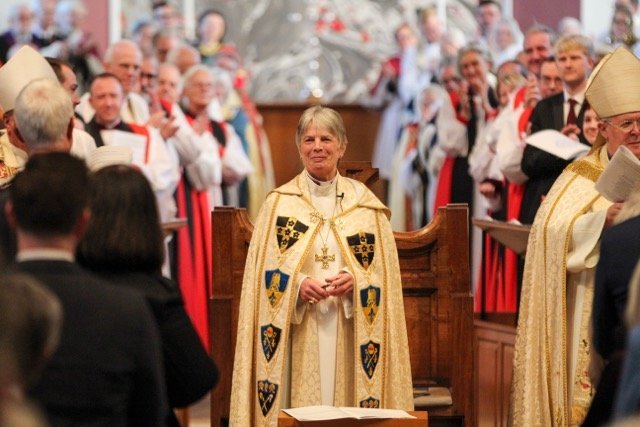
The new Archbishop of Wales, the Most Rev. Cherry Vann, has used her first presidential address to the Governing Body to call for a cultural and spiritual overhaul of the Church in Wales, warning that its public witness has been gravely weakened by recent scandal, defensiveness and a failure to live the gospel it proclaims.
Archbishop Vann laid out a three‑year program to the Governing Body meeting in Llandudno on 16 April 2026. At the heart of the new Archbishop’s agenda is a determination to transform the culture of the Church in Wales, which she described as “the most important thing we have to do together” over the next three years. Culture change, she argued, is not a matter of cosmetic rebranding or institutional spin, but of becoming a Church that is transparent, truthful and accountable, and therefore fit for its gospel purpose in contemporary Wales. The credibility of that purpose, she warned, is badly damaged whenever the Church appears more interested in protecting its own reputation than in facing uncomfortable truths.
Her address was structured around three forms of “tending” that she believes must shape the life of the province if it is to recover integrity and confidence in its witness. First, Vann called the Church back to its core purpose of worship, witness and service. When Christians fail to practise what they preach in their internal life together, she said, the Church’s mission is compromised and its story of grace and justice rings hollow before a watching world.
Second, she urged clergy and laity to attend to their relationships with one another across deep theological and ethical divides. Drawing on her experience in Manchester, Vann recounted years of deliberate, sometimes awkward, but persevering conversation between clergy who held diametrically opposed views. Those meetings were not designed to change minds, she said, but to discover how to live together as one body in Christ. That same costly, patient and prayerful engagement, she argued, is now essential in Wales if the Church is to model a reconciled and reconciling community.
Third, the Archbishop pressed the Governing Body to tend to their own personal discipleship, insisting that synodical business and structural reform must be rooted in habits of prayer, repentance and holiness. The worship that frames Governing Body is not, she insisted, a polite preface to “real business”, but the place where members re‑fix their eyes on Jesus and remember whose Church and whose mission they serve. Only leaders who are themselves converted, humbled and prayerful, she suggested, will be able to sustain the deep changes she believes are now required.
Throughout the address, Vann framed the vocation of the Church in Wales as a call “to be reconcilers” in a fractured church and society. She invited members to continue the work beyond the formal session in further discussion, honest self‑examination and corporate repentance, so that the Church’s public witness might be marked less by defensiveness and more by integrity, courage and a renewed gospel‑centred identity.