
It’s not that I want to defend Prince Andrew. It’s not even that I want to mount a case for a fair trial: That we haven’t heard a case for the defence or that no charges against him have been, and possibly now can’t be, proven. It’s more that I simply want to pose this question: What do you – by which I suppose I mean we – expect from royalty?
Most of the rising public anger against him since he gave up some of his privileges and most of his titles seems to be attached not so much to evidence of his alleged sexual abuse of the late Virginia Giuffre, or witting or unwitting participation in the traffic of minors by the also late Jeffrey Epstein, than that he is self-entitled, arrogant, rude, pompous and rather stupid.
Again, what did you expect? A humble, self-effacing individual who is down with the kids? I don’t see any of them who tick those boxes, other than Prince Harry’s attempts to be an ordinary commoner and look how that’s turned out.
British royalty has always behaved hideously. King Stephen seized the throne in the 12th century and started a 15-year civil war called The Anarchy, as England descended into chaos and lawlessness. Henry VI was psychotic and gave us the bloody conflict known as the War of the Roses. Richard III probably committed dual-infanticide to get the throne. Don’t start me on serial wife-murderer Henry VIII. Bloody Mary was a raving Catholic fundamentalist who burned Protestant families at the stake.
Hanoverians? George III was another sad nutcase and George IV, morbidly obese and riddled with gout, turned in an indecent shift of misogyny, alongside a lavish taxpayer-funded lifestyle. Later, Edward VIII abandoned his country in its darkest hour to indulge an affair of the heart and made chums with Nazis.
And that’s just some of the monarchs. Don’t ask what their even more embarrassing siblings were up to. None of which justifies Andrew in a very much more accountable age. I’m just saying we shouldn’t be surprised and outraged. They’ve always been like this. In that context, he’s quite authentic.
Now look at the world stage for monarchy. Caligula. Pope John XII, Prince of Rome, who ran his palace like a brothel. Ivan the Terrible. They make Andrew look like he hasn’t been trying hard enough. Even the very greatest of monarchs have worn crowns on their heads while having feet of clay.
Let’s take one at (not quite) random; one who is revered in antiquity but who, in many senses, should be reviled. Let’s choose a great patriarch, a founder of his people, one responsible not only for his own lineage, but arguably the father of two of the world’s three Abrahamic faiths. Let’s look at King David.
The story of David may be myth, but that makes it no less significant in its historicity as a founding figure of faith. And the story of his dynasty is one of tyranny, murder and regicide.
David, according to biblical narrative, was of humble stock, a shepherd and a dab hand on the harp, who made good. He had loads of wives and fidelity wasn’t really his thing. He greased up to King Saul and struck up what looks like a homoerotic relationship with his son, Jonathan. He eventually made it quite convenient for Saul and Jonathan to be killed in battle.
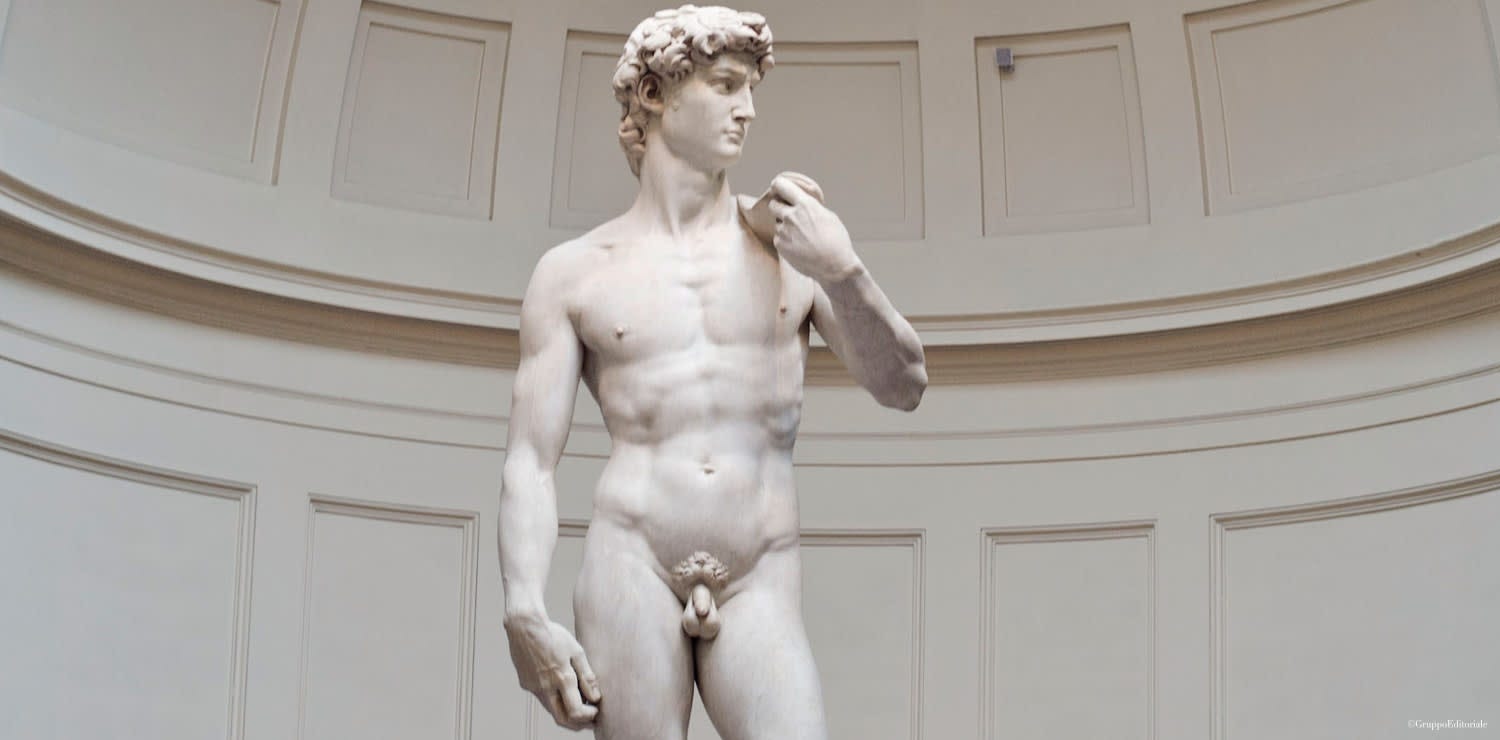
Then he spies the comely Bathsheba about her ablutions and forces himself on her. He calls her husband Uriah home from battle in the hope that the baby she’s carrying will seem to be his, but when Uriah doesn’t co-operate conjugally David has him killed in battle anyway and marries his widow. Only the prophet Nathan can call him out as a sleazebag and tells him his beloved son Absalom will die as the price of David’s iniquity.
This is the great father-figure of the Jewish people. By comparison, contemporary royalty, such as Andrew, begin to look like paragons of virtue, even if we know they’re not.
None of this exculpates today’s House of Windsor. But it does make us ask questions about the nature of royalty. One wonders whether it’s bound by the moral parameters of we ordinary folk. Again, this is not to grant them a free pass – only to ask what it is we admire about them.
This is not an academic question, without consequences. Today it’s the House of Windsor. In the Bible, it’s the House of David. That is a lineage that is treasured and cherished, so we should be careful of what we value.
The Christian gospels go out of their way to assert that that Jesus of Nazareth is descended from the the House of David, in order to validate his Messiahship. But that may be a royal lineage that’s no more respectable than Andrew’s and one best to be denied.
Little wonder then that the Nazarene tells his ultimate executioner that his kingdom is not of this world, for where is the value in that? Royalty can rarely offer a divine model.
George Pitcher is a visiting fellow at the LSE and an Anglican priest