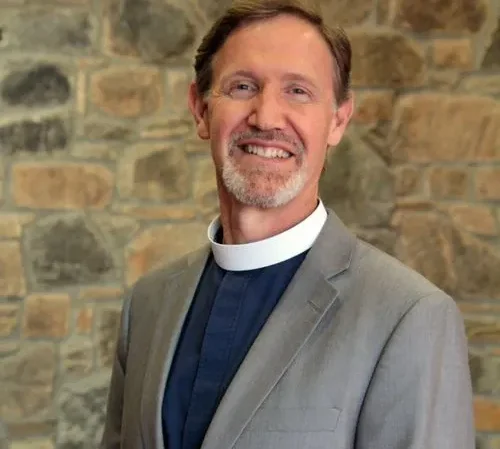
| Dear Clergy and Members of the Synod of the Diocese of the Mid-Atlantic, Grace and peace to you in Jesus Christ our Lord.Thank you for the gift of being together at Synod these past days. I believe the Lord was deeply at work among us. He certainly has been at work in me. On Friday with our clergy, and then briefly on Saturday with the whole Synod, I shared that I am one of the bishops identified by The Washington Post who was initially approached but did not read the presentment regarding Archbishop Steve Wood. I have communicated this to several bishops, including two senior bishops in the College, to our diocesan Standing Committee, and, as of yesterday, to the entire College of Bishops. When I was approached this spring by Bishop Chip Edgar of the Anglican Diocese of South Carolina (ADOSC) and later by one of the clergy complainants from the same diocese, I made the decision not to read the complaint. The information given to me at the time was verbal and limited. I understood there to be a group of complainants with experiences dating back many years connected to St. Andrew’s Church in Mt. Pleasant, SC, along with a more recent allegation from a woman staff member involving an unwanted advance but not physical contact. This is what I believed I was responding to. I suggested two possible pathways forward: Using the provincial reporting portal. Based on DOMA’s positive and effective experience with updated safeguarding and reporting processes, I believed the provincial reporting portal—mandated and established following Provincial Assembly 2024—would allow the concerns to be received promptly and by those trained and equipped to engage them, including Dr. Tiffany Butler, Director of Provincial Safeguarding and Canonical Affairs. My intent was to ensure the concerns reached the proper channels for careful and professional review. Waiting for forthcoming Title IV reform. Because of the longstanding challenges in our disciplinary canons—painfully evident in the disheartening, traumatic, and publicly embarrassing legal matters related to the Diocese of the Upper Midwest—I also advised considering whether these concerns might be brought forward under the reformed and more reliable processes anticipated through Title IV revision. My goal was not to delay or obstruct justice, but to help secure a process that would be more effective, efficient, and trustworthy for all involved. I feared we might otherwise find ourselves in another slow, confusing, or harmful legal matter that could drag on for years.The complainant with whom I spoke expressed concern that the Archbishop might manipulate or stonewall the process. I had no reason to believe that would happen, but said that if it did, we would then have an immediately verifiable example of the very thing he feared. If that were to occur, I assured him I would read and very likely sign the presentment. The complainants ultimately chose a different route and shared their experiences with The Washington Post. While I wish this important matter were not now unfolding in public, I understand that in the absence of trust, this must have felt necessary to them. When I later received and read the presentment (and then the revised presentment), I was deeply grieved—particularly for Ms. Claire Buxton and “Jane Doe.”While I do not know them personally, I now grieve for them. To Claire and “Jane,” I am sorry I did not hear your voices when they were brought to me. I recognize that women’s experiences are too often overlooked or minimized, particularly in systems led by men. Where my response contributed to further pain or trauma, I ask your forgiveness.To the lay and clergy women of the Diocese of the Mid-Atlantic: I know that within our diocesan family there are women who have experienced harm, dismissal, or violation—sometimes within the church. We are working hard to prevent this and to empower gifted women in ministry, both lay and ordained. I am sorry for anything in my posture or decisions that has made it harder for you to trust that your voices will be honored and your experiences taken seriously. I ask your forgiveness as well.After reading the presentments, I have asked the senior bishops of the College, through the interim Dean of the Province, to consider placing an inhibition on Archbishop Wood. I have done this for the sake of all involved—the complainants, the Archbishop, and the integrity of the College as it works through this matter.To the College of Bishops and the wider Province: I apologize for any ways my actions may have contributed to mistrust in episcopal leadership or in our processes.I willingly submit myself to the discernment and direction of the College of Bishops. If they determine that I should recuse myself from further involvement in this matter, I will do so.Kneeling before the cross, +Chris |
| P.S. I have sent this letter to +Edgar and to the complainant who approached me. I have asked them to share it with all the complainants. I have also sent a copy to the interim Dean of the College, asking him to distribute it to the College of Bishops. |