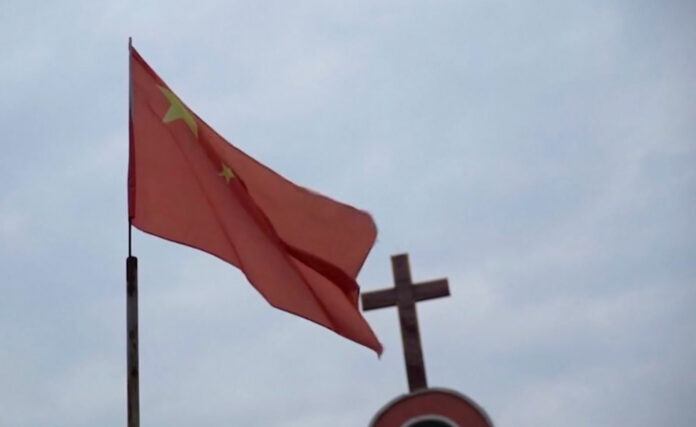
On April 1, the State Administration for Religious Affairs published its Order no. 23, which offers a new comprehensive regulation of the religious activities of foreigners in China.
Most of what is included in Order no. 23 confirms provisions that were already in force, dispersed through a variety of regulations. The general principle of China’s management of religion is that the only legal religious activities are those managed by the five authorized religions under the control of the United Front Working Department. The government-controlled religions are by definition “autonomous,” meaning they should not have regular relations with foreign entities. Religious activities by foreigners in China, unless they are part of official delegations invited by the CCP-controlled religious bureaucrats, the United Front, or the Party for public relations or propaganda purposes, are viewed with hostility, generally discouraged, and strictly regulated.
Perhaps because of visits of Christians from the Chinese diaspora or other Asiatic countries, or exchanges between Buddhist and Taoist temples in China and outside the country which are not organized by the official bureaucrats, the new regulation puts together all the existing norms to make their enforcement easier. While not much if new, if anything the new regulation includes more detailed and strict provisions on how any request (admissible only of coming from the five authorized religions) to invite a foreigner to conduct a religious activity should include a lot of documents and be approved by the authorities well in advance. Retreats and other religious activities that sometimes foreigners organize in Chinese temples, although they are a source of touristic revenue, should also be pre-authorized and supervised by a representative of the relevant authorized religion.
Bringing books and religious materials from abroad is severely limited. If foreigners preach sermons in China, even if duly invited in accordance with the regulations, they should submit their “main content” beforehand to Chinese authorities for approval.
The regulation also mentions religious forms that are outside the sphere of the five authorized religions. In this case, obviously foreign religionists would normally not be invited by the authorized religions’ bureaucrats, except in the case of events of interreligious dialogue. World religions such as Hinduism and Judaism are not part of the five authorized religions and have small presences in China, not to mention many new religious movements that are outside the five traditions. For members of these religions the regulation makes it extremely difficult to enter China to conduct any religious activities, except if they have publicly demonstrated to be “friendly to China,” and even in this case with a lot of paperwork.
An English translation of Rules for the Implementation of the Provisions of the People’s Republic of China on the Administration of Religious Activities of Foreigners in the Territory of the People’s Republic of China can be found here.