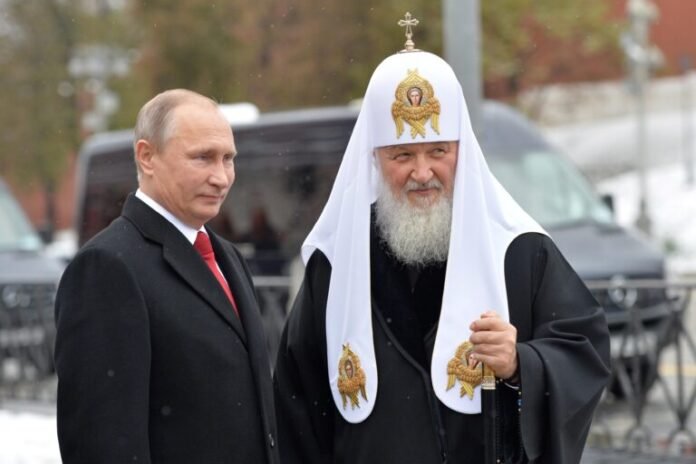
Patriarch Kirill (Vladimir Gundyayev), the 79-year-old head of the Russian Orthodox Church (ROC), remains one of the most influential pillars of the Russian political system. However, recent reports regarding possible cognitive decline, combined with a growing number of corruption and misconduct scandals within the ROC, have raised questions about the future leadership of the Church and its relationship with the Kremlin.
While there is no publicly verified medical diagnosis confirming dementia, multiple observers of church affairs have reported signs of age-related cognitive deterioration. Simultaneously, the ROC has faced renewed scrutiny over financial misconduct, luxury lifestyles among senior clergy, and criminal investigations involving prominent bishops.
The key question is no longer whether scandals will damage the Church’s reputation—they already have—but whether Kirill’s eventual departure could trigger a struggle among competing factions within the Russian elite seeking to control one of the country’s most important ideological institutions.
Health Concerns and Dementia Rumors
Evidence Behind the Rumors
Speculation intensified in April 2026 after Kirill reportedly confused major Orthodox holidays during a public service, speaking about Christmas and Epiphany during Holy Week before aides intervened and corrected him.The incident was widely discussed among Russian religious observers and fueled longstanding rumors of cognitive decline.
Russian church analyst Ksenia Luchenko reported that discussions among clergy and insiders have increasingly included references to: Cognitive difficulties; Age-related personality changes; Memory lapses; Reports from sources describing “rapidly progressing dementia.”
Importantly, none of these claims have been independently confirmed by medical documentation. The Moscow Patriarchate continues to publish evidence of Kirill’s regular participation in church activities, international correspondence, and public appearances.
Read it all at the Robert Lansing Institute