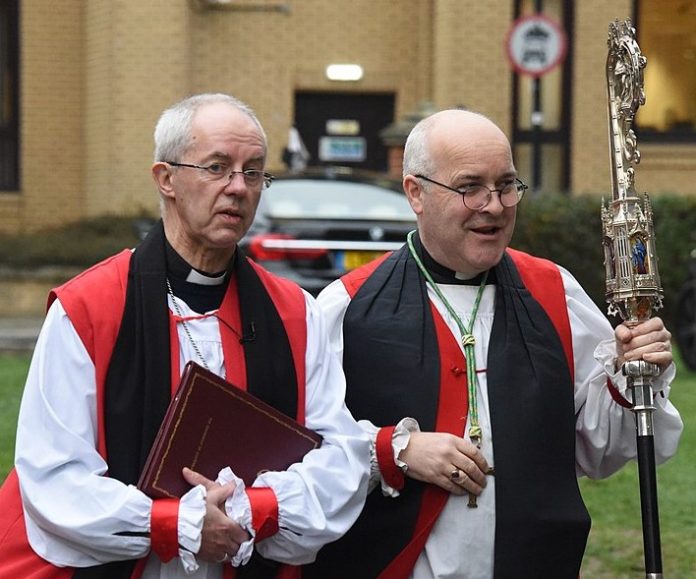
The Church of England’s response to Henry Nowak’s murder exposes an uncomfortable truth: its bishops know how to speak loudly when the moral script is supplied by progressive opinion, but become cautious, abstract, and evasive when the facts disturb that script.
In 2020, after the death of George Floyd in police custody in Minneapolis, the Archbishops of Canterbury and York issued a statement declaring that “systemic racism continues to cause incalculable harm across the world” and that “racism is an affront to God”. The Diocese of Gloucester’s bishops commended that archbishops’ statement and urged Christians to examine “our own actions and inaction, our words and our behaviour, what we challenge and what we fail to challenge”.
That was not a local English case. It occurred in the United States. Yet the Church of England had no difficulty finding theological language for grief, injustice, race, repentance, and public witness.
Henry Nowak was murdered in Southampton. He was 18. He was a University of Southampton student. He told police he had been stabbed and could not breathe before he was handcuffed, arrested, and read his rights after his killer falsely accused him of racism. The Independent Office for Police Conduct is investigating the officers’ contact with Mr Nowak, including “the use of handcuffs by officers and the first aid provided”.
If George Floyd’s death demanded episcopal moral clarity, why does Henry Nowak’s death receive episcopal caution?
The Bishop of Southampton’s statement is not wrong. It is decent, pastoral, and carefully phrased. Bishop Rhiannon King rightly says Southampton is grieving and that Henry’s family must not see his death used “to create division or hatred”. But the statement is also an example of the Church of England’s institutional weakness: it speaks warmly about grief and community, while stepping around the harder words the public can already see are needed: justice, truth, failure, accountability, and courage.
The Home Secretary managed to say what the bishops have not. Shabana Mahmood told Parliament that Digwa “murdered Henry and then lied about him, as he lay dying, falsely accusing him of racism”. She also said the case was “not a case about Sikhism” and “not a case about racism,” but “a case about murder”. That is the moral distinction the Church ought to have made with confidence: condemn the murder, reject collective blame, defend the innocent, demand accountability, and refuse to let lies govern public life.
Instead, the national Church appears mute. Searches of the Church of England’s national website and the public sites of the Archbishop of Canterbury and Archbishop of York show no comparable statement on Henry Nowak. The contrast is stark. When an American case fitted the approved narrative of systemic racism, the Church of England spoke in the voice of prophetic denunciation. When an English teenager was murdered, falsely accused of racism as he lay dying, and then treated by police as a suspect, the bishops’ collective voice dwindled to local pastoral management.
This is why many ordinary people believe the bishops are out of touch. They do not hear from the Church of England the grief and anger they themselves feel. They hear careful institutional balancing, as if the first duty of Christian leadership were to avoid saying anything that might offend the sensibilities of the clerical class.
There is no contradiction between condemning hatred against Sikhs and demanding justice for Henry Nowak. There is no contradiction between rejecting mob violence and naming police failure. There is no contradiction between praying for peace and speaking plainly about a young man whose final moments were marked by disbelief, indignity, and institutional error.
The bishops’ failure is not that they have said nothing at all. It is that, when moral courage was required, they said too little, too late, and with too much fear of the wrong audience. The British people do not need a Church that can only denounce injustice when it is fashionable. They need shepherds who can speak the truth when the truth is painful, unfashionable, and close to home.