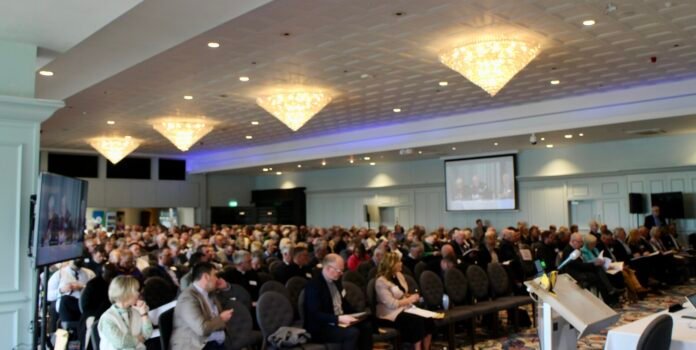
The 2026 meeting of the General Synod of the Church of Ireland took place in Newcastle in County Down from May 7 to 9. For the first time since 2019, General Synod returned to meeting in person for three days with the venue being the Slieve Donard Hotel.
The primary purpose of the Synod is to enact legislation for the whole Church of Ireland. Bills, which are proposals for legislation, are considered and become Acts or Statutes if approved. Less formal proposals are submitted as motions which, if approved, become resolutions. The Synod also receives reports from various Committees and Boards, which are debated by the members. Committees of the Synod are normally elected by the Synod for a three–year term of office.
Bills
Four Bills which were enacted by General Synod 2026. Bill No 1 amends aspects of the clergy disciplinary process outlined in Chapter VIII of the Constitution of the Church of Ireland. Bill No 2 provides clarity and compassion by aligning Constitutional provision and Dignity in Church Life financial provision for when clergy find themselves in a situation where they cannot continue in ministry due to long term ill health. Bill No 3 introduces a mechanism to address situations where “an intractable breakdown of relationships” has occurred between an incumbent and members of his or her parish through no particular fault of either party. Bill No 5 amends Chapter XVI of the Constitution in relation to safeguarding to remove reference to specific policies so that the Constitution does not become out of date. Bill No 4 fell before Synod began.
Youth Ministry
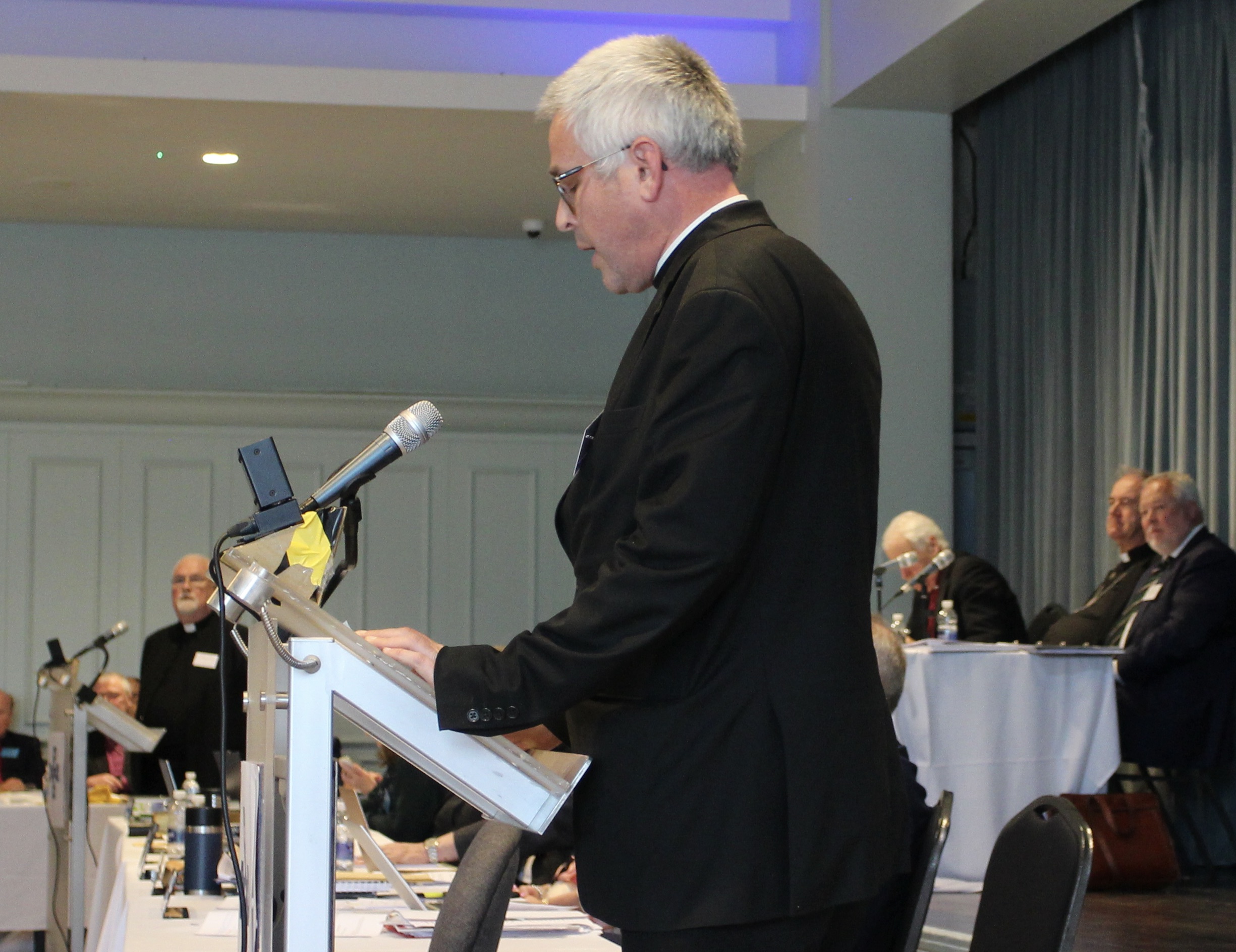
Bishop Pat Storey (Meath and Kildare) at her last General Synod before she retires this summer, proposed the report of the Church of Ireland Youth Department of which she is president. She outlined CIYD’s new three year strategy which was launched at Synod and said it demonstrates the hope and vision carried by the staff. The central thrust of the vision, she said, is: to engage, equip and empower the Church of Ireland, its youth leaders and its young people to grow in Christ, nurture lifelong faith, and sustained transformative youth ministry across the island of Ireland.
RCB Report
Proposing the report of the Representative Church Body, Hilary Prentice highlighted its mission and strategic priorities which are summarised in the Executive Strategy for 2026–2028. This document is available to view on the Church of Ireland website.
Mrs Prentice pointed out that the delivery of the RCB’s strategy and operations was dependent on income that the RCB withdraws each year from RB General Funds. For 2025 the maximum Total Return income from General Funds was €8.4 million compared to €7.3 million in 2024. The increase in income reflects a strong performance from the investments of RB General Funds over the previous eight years, she said.
She reported that during 2025, despite global events, financial markets remained relatively positive. The Total Return income is supplemented by parish contributions. Given the solvency of the Clergy Pensions Fund, she expected that the Clergy Pensions Solvency Levy will no longer be needed from parishes. However, the contribution from parishes towards Safeguarding would have to be increased.
Explaining what the financial resources were spent on she outlined the following: the Church of Ireland Theological Institute; Pioneer Ministry; RCB service delivery which includes Safeguarding, Property and Trusts, Investment Management; Clergy Pension Fund administration; Library and archives; HR; and Climate Change.
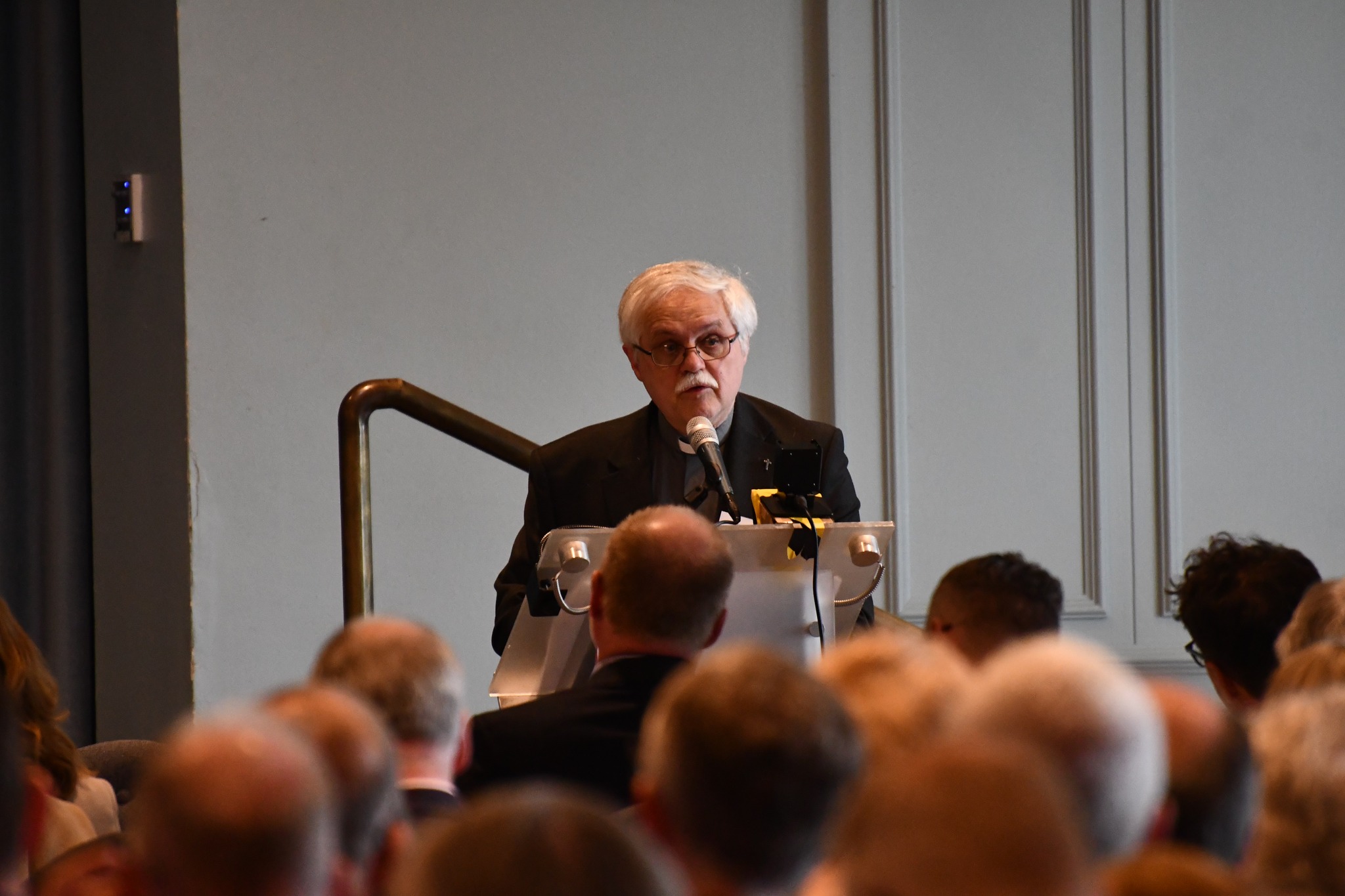 The Revd Ken Rue (Photo: Paul McFadden/Derry and Raphoe)
Education
The Board of Education expressed its deep concern for the welfare of principals, teachers, staff and governors due to the state of funding in education in Northern Ireland. Proposing the report of the Board of Education (NI) the Revd Catherine Simpson highlighted a recent report which stated that 91% of teachers, including principals, were stressed, anxious and near burnout. The board is also concerned by the increasing issues of mental health affecting all in the education system from head teachers to the youngest pupils.
Seconding the report and highlighting education matters in the Republic of Ireland, Canon Harry Gilmore marked the 50th anniversary of Boards of Management in primary schools. He also noted that Dr Ken Fennelly was representing the Church of Ireland at the National Convention on Education, the first meeting of which took place recently and which operates to a broad agenda.
Speaking to the report, Archbishop Michael Jackson said that the Convention is an interesting concept. Of the 160 members, he noted that four are from a faith based background, among them Dr Ken Fennelly. He urged all with responsibility within a Church of Ireland national school to respond to the survey so that positive and confident information from our sector can be presented to the organisers of the convention.
Covenant Council
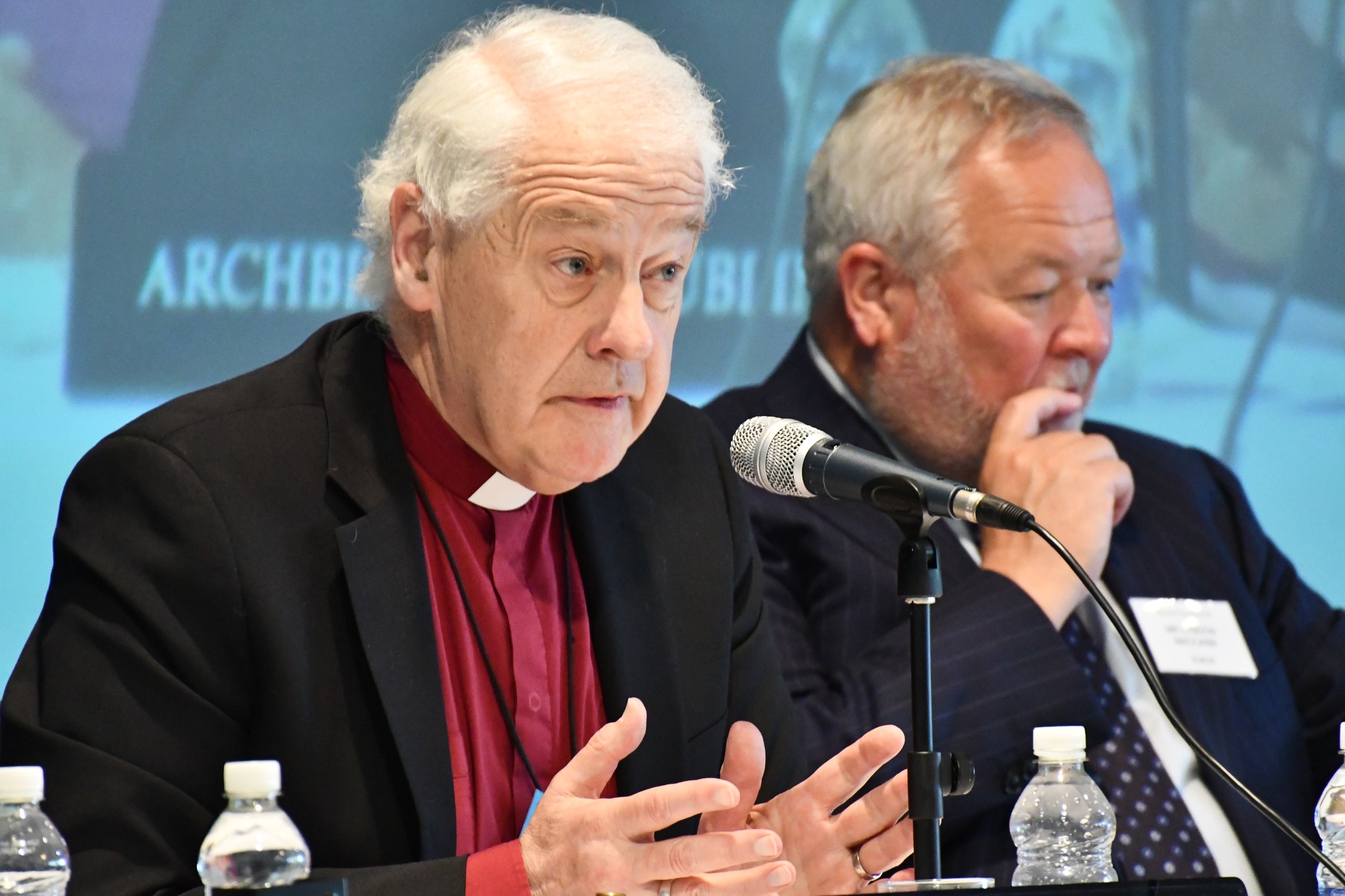
The Covenant Council, which supports the Covenant relationship between the Church of Ireland and the Methodist Church in Ireland, is preparing for the next period of shared life between the two churches. Canon Dr Maurice Elliott explained that many of the early aspirations had been achieved and approaching the 25th anniversary of the signing (in 2003) of the Covenant, the council is keen to develop an update list of priorities for the next period of shared life, he stated.
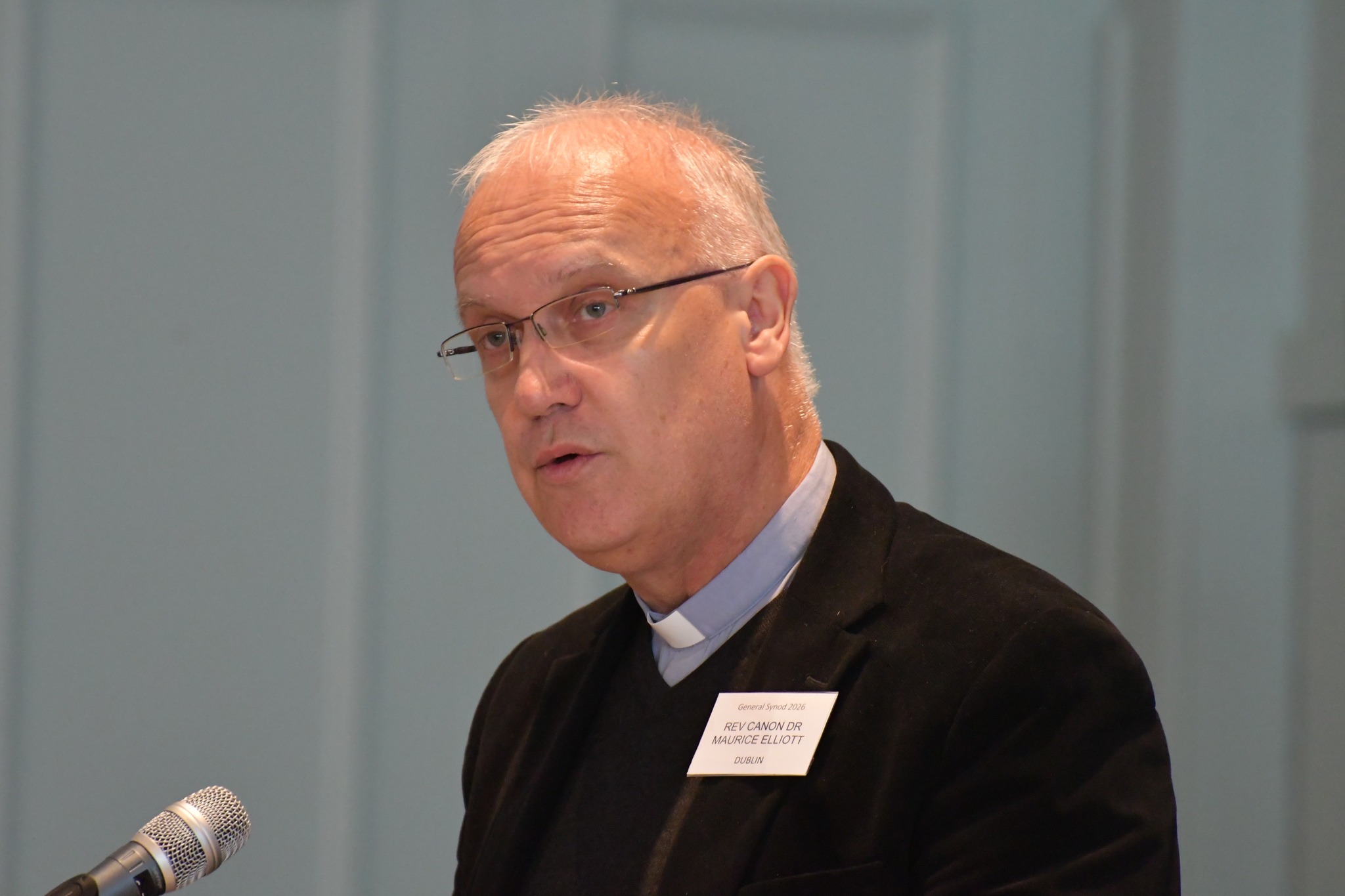 Canon Dr Maurice Elliott (Photo: Paul McFadden/Derry and Raphoe)
Standing Committee
The vast range of work carried out by Standing Committee during the year was outlined by Richard Codd. He singled out the establishment of the Wedding Venues Working Group and the Working Group on Clergy Tenure, and the work of Bishops’ Appeal, the Children’s and Family Ministry, the Disability Working Group, the Central Communications Board and the Safeguarding Board. Seconding the report, Canon Harry Gilmore observed that while it was too early to see a trend developing in the recording of the annual Church of Ireland census over the past three years, there has been no downward trend for attendance.
Council for Mission
The Council for Mission brought news of their successful global partnerships to General Synod. Continuing to foster relationships throughout the Anglican Communion, Sarah Taylor (Kilmore, Elphin and Ardagh), proposing the report, said this year they welcomed the Revd Frank Bernardi from Tunis who spoke of his experience of sharing the Gospel in North Africa. The council, in conjunction with CMS Ireland, is sending the Revd Mike Buchanan, Curate in Rathfarnham, to Egypt in the coming weeks.
Commission on Ministry
Outlining the activities of the Commission on Ministry, the Revd Lesley Robinson (formerly of Dublin) highlighted a number of new events including two major one day Church Growth Conferences and a new pilot initiative – the Clergy Support and Wellbeing Programme (THRIVE) – which will promote an understanding of stress, dealing with conflict in ministry, building resilience and rekindling vocation. Another new initiative will support Archdeacons in their heavy workload with diocesan duties added to their parochial duties. Speaking to the report in relation to vocations, Canon Gillian Wharton (Dublin) observed that the pathway to ordination had become very academic and may now be out of reach for some. The Revd Jane Burns (Dublin) also spoke on this issue and said, as a relatively recent ordinand who did not have an initial degree, it was important to recognise the huge support given by the staff of CITI.
Pioneer Ministry
The Church of Ireland now has 14 Pioneer Ministry Hubs – at least one in every diocese – and 14 licenced pioneers have begun their training since the start of the project. Proposing the report of the Pioneer Ministry Council, the Revd Ian Horner revealed that new pioneer communities have been established in a diverse array of contexts and there are eight applications for new projects and pioneers for 2026.
National Director of Pioneer Ministry, the Revd Robert Jones (Dublin), shared some learnings from the first three years of the project. “There is a genuine sense of renewed spiritual yearning, people are searching and Pioneer Ministry is meeting people where they are at,” he said. They had also learned that the pioneer ministries cannot work along and need parishes to walk alongside them to flourish. He said there is a sense of unity in the diversity of the ministries and that macro and micro pioneer ministries are equally important.
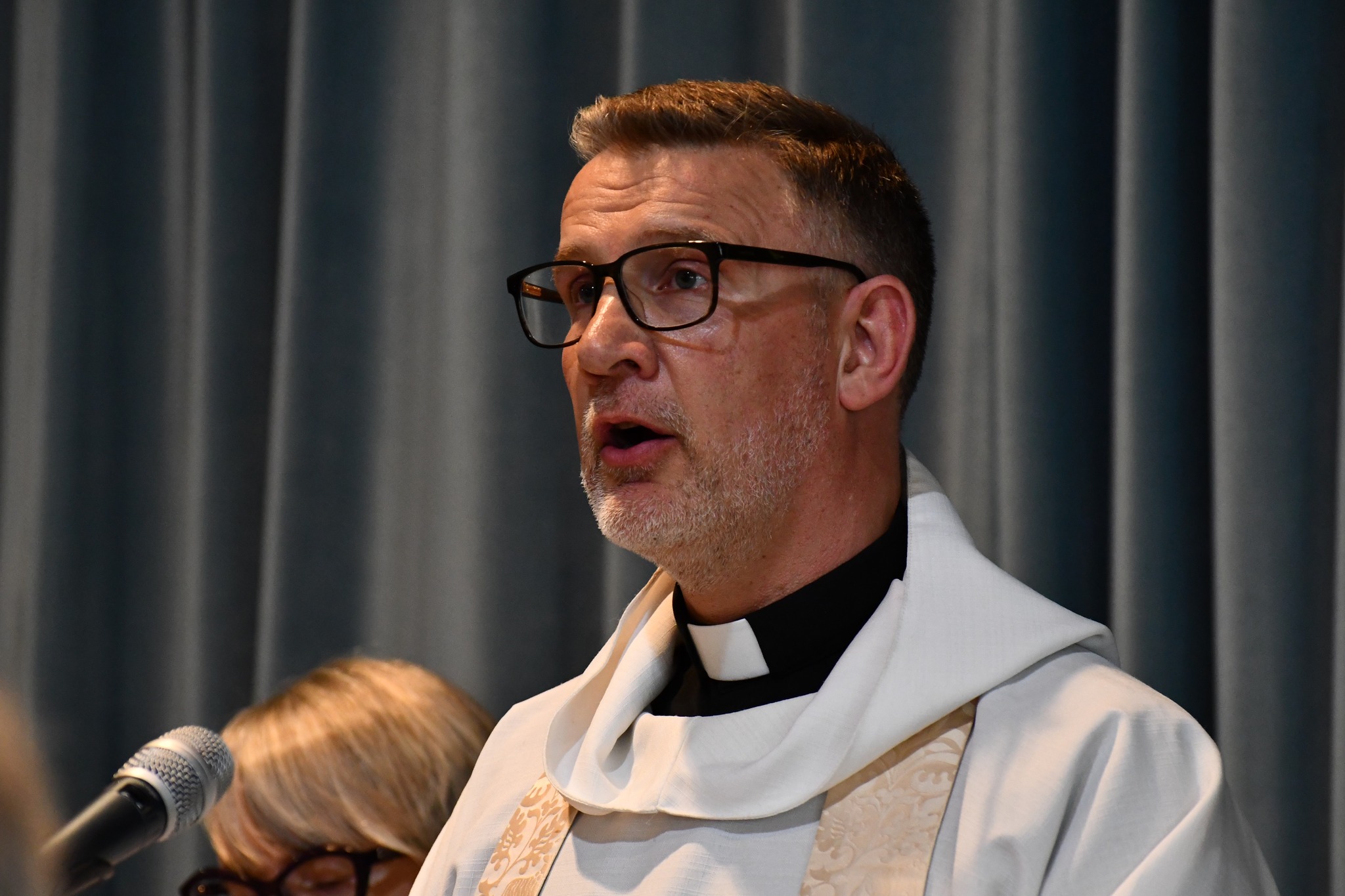 The Revd Rob Jones (Photo: Paul McFadden/Derry and Raphoe)
Liturgical Advisory Committee
The work of the Liturgical Advisory Committee on long term projects and in responding to more immediate liturgical needs of the Church was outlined by the Revd Adrian Dorian (Raphoe). He spoke of the ‘Journeys’ resource for use with children and the Take a Minute prayer cards along with projects of the music subgroup on the Canticles and singing the Psalms.
Marriage Council
The Marriage Council was highlighted by the Revd Carlton Baxter who commended the work of their marriage counsellors who are in demand. The online marriage course proved a great success and the clergy couples retreat was well subscribed, he said. Dr Catherine Smith (now of Dublin Diocese) appealed to clergy to use the resources of the Marriage Council and to refer people to their services, especially the counselling sessions (six free counselling sessions are offered per couple). She also asked them to advertise their courses and seminars.
Christian Unity and Dialogue
Proposing the report of the Commission on Christian Unity and Dialogue, Bishop Andrew Forster observed that unity may not be the most visible part of Church life but it is one of the most important in an increasingly fractured world. He said that in communities across the island there was a desire to build the Kingdom of God across denominational boundaries. Seconding the report, Archdeacon Katharine Poulton (Meath and Kildare) looked forward to the meeting of the Anglican Consultative Council in Belfast from June 27 to July 5.
You can read full reports of each of these items on the General Synod website – www.churchofireland.org/synod/2026/news