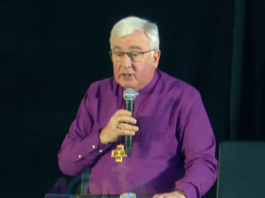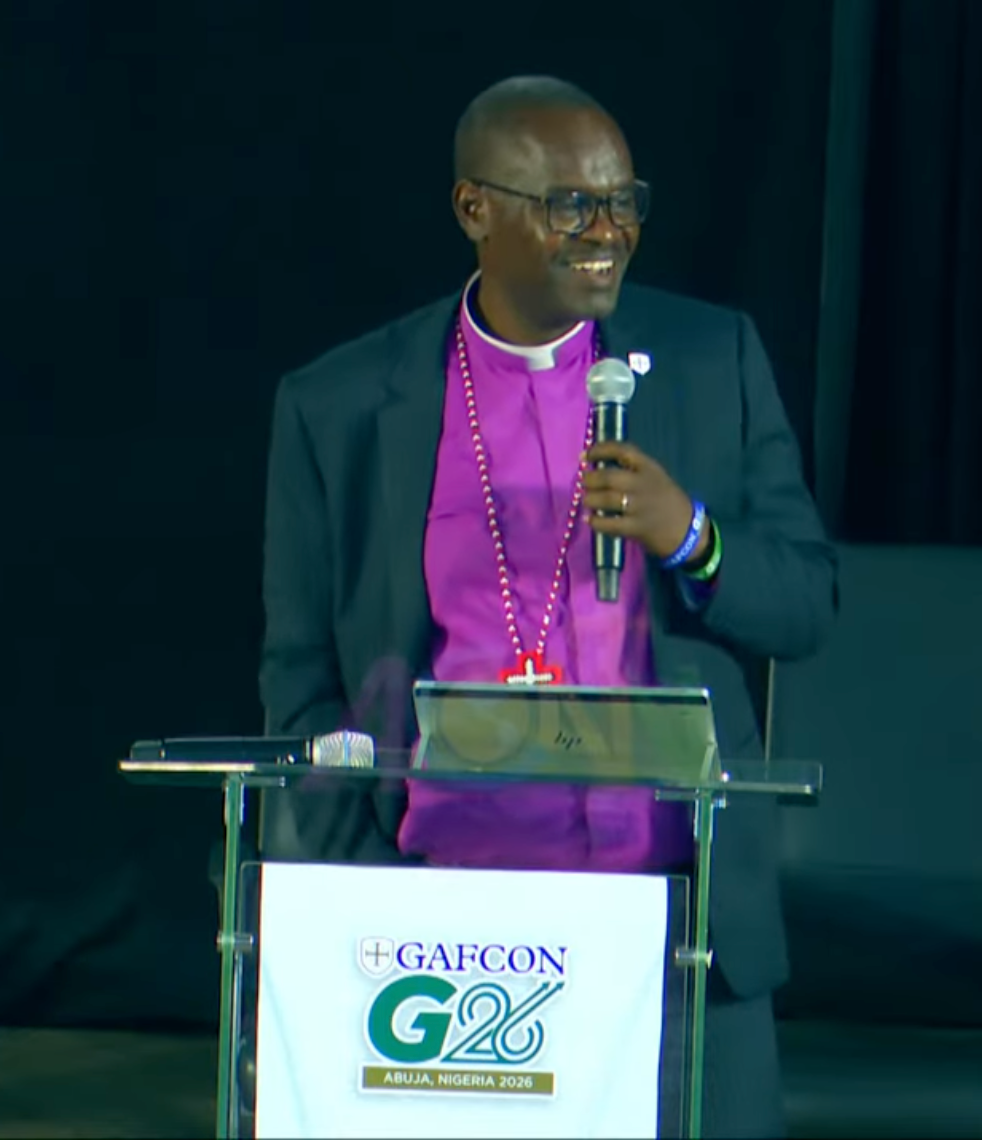
GAFCON has seized the Anglican Communion’s helm and will steer the future course of the church, the Rt. Rev. Emmanuel Chemengich, Bishop of Kitale in the Anglican Church of Kenya, declared on March 5, 2026, at the GAFCON G26 conference held in Abuja, Nigeria’s at St. Matthias House. As the 11th of 12 talks on “The Road to Reordering,” he unpacked the Martyrs’ Day Statement’s discussion of self-reliance. The stewardship of the Anglican way rests with GAFCON. It’s leaders are the de facto leaders of the Anglican Communion, and its confessional fellowship embodies the true Communion.
For years, the Anglican Communion has wrestled unresolved divisions over biblical authority, doctrine, morality, and episcopal oversight, straining unity, challenging gospel witness, and demanding a clear path forward. GAFCON emerged in 2008 to protest the instruments’ failures, evolving from reaction to stewardship, protest to proposal, and resistance to responsibility as the leading voice reshaping global Anglicanism.
Chemengich highlighted three key realities proving GAFCON’s present leadership. First, preordering marks a new reality: GAFCON’s protest birthed stewardship, reordering the Communion structurally and relationally. No longer a mere pressure group, it guides through theological clarity, pastoral oversight, and long-term responsibility—establishing new provinces, consecrating bishops for isolated missions, providing episcopal care worldwide from England and Australia to New Zealand and Europe. Many Anglican bishops have boycotted recent London Conferences, affirming a shift voiced through the Jerusalem Declaration’s confessional anchor in Scripture, creeds, and formularies. The Communion coheres around gospel theology, not geography or history, correcting narratives of GAFCON as schismatics.
GAFCON earned this organically across gatherings: 2008 Jerusalem clarified doctrine; 2013 Nairobi accelerated mission; 2018 Jerusalem coordinated globally; 2023 Kigali ensured sustainability; 2025 Mwari forged unity; and G26 lays conciliar foundations. Canterbury’s structures—Archbishop, Lambeth, Primates’ Meeting, ACC—failed to discipline error, sustain mission, or honor Scripture, forcing GAFCON’s decisive action. An African proverb sums it: “He who holds the calabash must serve the water well,” for authority serves through trust proven in doctrinal drought.
Second, GAFCON reframes leadership for renewal, rejecting rival-communion talk and affirming one Communion renewed around Scripture, gospel proclamation, and soul-winning governance. It shifts from colonial Canterbury models to Global South realities, where most Anglicans live in Africa, Asia, and Latin America, advancing biblically grounded, shared leadership at G26. “Until the lion tells its story, the tale will always glorify the hunter,” runs the proverb—Global South Anglicans now narrate faithfully in circle-council wisdom, not head-table hierarchy, modeling shared guardianship of the faith.
Third, GAFCON refines authentic leadership beyond offices and institutions, rooting it in moral authority, truth-defense, and mission amid Canterbury’s failures. It redefines leadership as confessional, post-colonial, and conciliar—dispersed, relational, accountable to Scripture—echoing the 1867 Lambeth Conference’s doctrinal unity without Canterbury primacy, finally mirroring Anglican demographics. GAFCON extends pastoral generosity to bishops, dioceses, and ordinands in Canterbury structures, urging reform while holding doctrinal lines firm. “When the roots are deep, there is no reason to fear the wind,” the proverb concludes, for scriptural foundations withstand revisionist storms.
Reordering reinvigorates Anglican identity around Christ, Scripture, and Proverbs 11:14’s abundant counselors, shifting the question from “who holds the see?” to “who faithfully shepherds?”
GAFCON leads by gospel fidelity, the bishop said, not unity’s facade. “May G26 grant wisdom for this kairos, with humility and courage for the Great Commission across generations. Asante sana. Thank you,” Bishop Chemengich told the assembly.