New accusations of ministerial corruption in KwaZulu-Natal raise troubling questions about law enforcement integrity
Reports alleging links between South Africa’s Police Minister Senzo Mchunu and criminal gangs have prompted a concerned response from the nation’s Catholic and Anglican bishops, who describe the situation as “deeply unsettling” and a matter of national security.
The allegations emerged following a July 6 press conference by Lt. Gen. Nhlanhla Mkhwanazi, KwaZulu-Natal’s police boss, who reportedly accused both Minister Mchunu and Deputy National Commissioner Shadrack Sibiya of colluding with criminal syndicates. The accusations center on claims that the officials obstructed investigations by the Political Killings Task Team into organized crime in Gauteng Province.
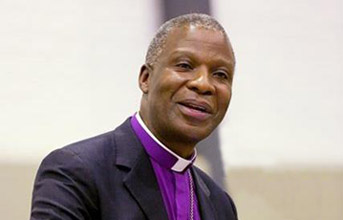
On 8 July 2025 the Primate of the Anglican Church in Southern Africa, the Most Rev. Thabo Makgoba, Archbishop of Cape Town, issued a statement saying: “The leadership crisis in policing in South Africa leaves the public confused about whether either the accusers or the accused are capable of protecting us from crime. The allegations being flung around are serious and worrying, and threaten to undermine even further both police morale and public confidence in policing.”
“We cannot wait for a drawn-out commission of inquiry. We need an urgent and impartial preliminary inquiry, to be conducted by judges, external policing experts and investigators – all of unimpeachable integrity – to assess the situation and to advise the President, and report to Parliament, on the way ahead within six weeks.”
Cardinal Stephen Brislin, President of the Southern African Catholic Bishops’ Conference (SACBC), issued a statement on July 10 that carefully balanced the presumption of innocence with recognition of the gravity of the allegations. “We have not heard all sides of this contentious issue as yet, and we need to respect that,” the Cardinal noted, while acknowledging that “the very airing of the allegations in public is deeply unsettling and, from several angles, a matter of national security”.
The timing of these allegations proves particularly troubling, coming as they do against a backdrop of systemic dysfunction within South African policing. The public nature of Gen. Mkhwanazi’s accusations—made at a press conference rather than through internal channels—suggests either a breakdown in normal procedural safeguards or a deliberate attempt to force official action through media pressure.
The allegations against Minister Mchunu and Deputy Commissioner Sibiya, if substantiated, would represent a serious breach of public trust at the highest levels of law enforcement. The claim that officials actively obstructed investigations into organized crime raises questions about the independence and effectiveness of South Africa’s criminal justice system.
The Catholic bishops’ measured response reflects both pastoral responsibility and political realism. By acknowledging the “deeply unsettling” nature of the allegations while maintaining due process concerns, Cardinal Brislin’s statement models how religious leaders can address serious public concerns without compromising principles of justice and fairness.
The broader context of these allegations—systematic corruption, institutional decay, and political interference in law enforcement—suggests that South Africa’s democratic institutions face challenges that extend well beyond any single case of ministerial misconduct. The bishops’ emphasis on the erosion of public confidence in law enforcement speaks to a crisis of legitimacy that threatens the rule of law itself.
For South Africa’s church leaders, this represents another test of their role as moral voices in a society struggling with endemic corruption and institutional failure. The ultimate resolution of these allegations will likely depend on the willingness of South African authorities to pursue transparent investigations and hold senior officials accountable, regardless of political considerations. The bishops’ call for respect for due process, coupled with their recognition of the serious nature of the allegations, provides a framework for addressing such crises that balances justice with institutional integrity.